


What are the best haldi outfits for 2026?
The strongest haldi outfit choices right now are cotton or georgette sarees, flowing lehengas, sharara sets, and coordinated kurta sets. All four work because they prioritize breathability and freedom of movement, which matters when you’re sitting on the floor, dancing, and getting covered in turmeric paste before noon.
- Cotton sarees: Timeless, easy to wash, and forgiving with stains. A butter yellow cotton saree with a simple blouse is the most classic pick.
- Lehengas: Mirror work and chikankari embroidery are particularly popular in 2026. The embellishments reflect light beautifully and help disguise turmeric splashes.
- Sharara sets: Easier to move in than a full lehenga, and they read as traditional without the draping complexity of a saree.
- Kurta sets with palazzo pants: The most practical option for outdoor daytime ceremonies, especially if you’ll be standing for hours.
- Pre-draped sarees: All the elegance of a saree, none of the 20-minute draping ritual before the ceremony starts.
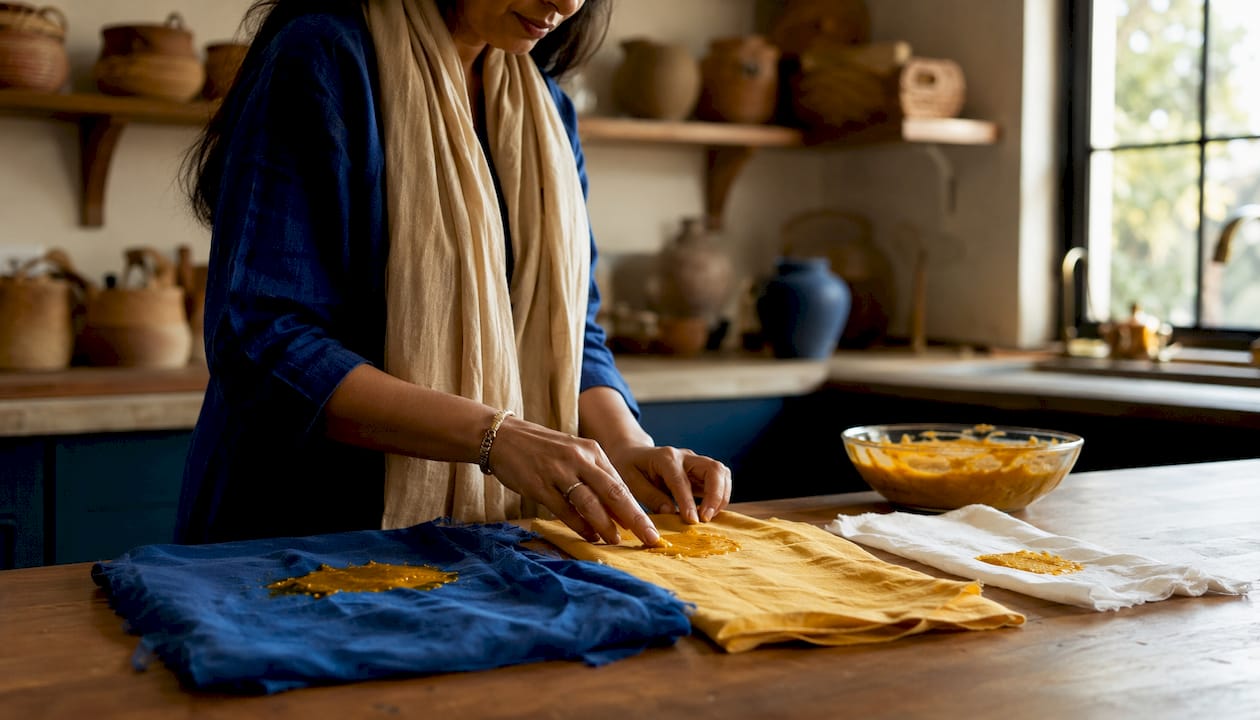
Fabric is the non-negotiable factor. Cotton, georgette, and linen breathe well outdoors and release turmeric stains more easily than synthetic materials or pure silk. Skip anything that requires dry cleaning.
Pro Tip: Test your fabric’s reaction to turmeric before the ceremony. A quick spot test at home saves a lot of stress on the day.
What colors actually work for haldi ceremony attire?
Sunshine yellow remains the most photographed haldi color in 2026, but the range of what works has expanded considerably. Mustard, laddoo peela, and lime yellow are all trending as richer or fresher alternatives to classic bright yellow.
Beyond yellow, the color palette has opened up:
- Pastels: Mint, sage green, pastel pink, and coral photograph beautifully in natural outdoor light.
- Bold alternatives: Rani pink, fuchsia, and powder blue feel contemporary and stand out against marigold decor.
- Ivory and off-white: Gaining popularity for brides who want to save yellow for another function. Pair with floral appliqué or gold embroidery to tie into the ceremony’s palette.
- Prints: Oversized florals, bandhani, and block prints are trending for guests and bridesmaids who want something distinctive.
| Color Family | Best For | Styling Note |
|---|---|---|
| Sunshine yellow / mustard | Brides, close family | Pairs with floral or mirror work embellishment |
| Mint / sage green | Guests, bridesmaids | Complements marigold decor in outdoor venues |
| Rani pink / fuchsia | Brides wanting bold color | Photographs well in daylight |
| Ivory / off-white | Brides, sisters | Add gold embroidery or floral appliqué |
| Coral / peach | Guests, younger relatives | Warm alternative to yellow without being identical |
Floral jewelry made from mogra, marigold, and rose is the preferred accessory choice. It fits the ritual, photographs well, and won’t be ruined by turmeric paste the way metal jewelry can be.
A mint aqua embroidered saree with digital floral detailing is a strong example of how pastel colors translate beautifully to haldi ceremony attire.
Who wears what: outfit ideas by gender and age
The haldi is a full-family event, and the outfit logic shifts depending on your role.
Brides have the most freedom. Yellow lehengas with chikankari or mirror work, pre-draped sarees, and sharara sets are all popular. Modern brides are also choosing kaftans and maxi dresses in botanical prints, which prioritize comfort without sacrificing style.
Grooms do best with a yellow or white cotton kurta pajama. Ivory with a yellow dupatta is a cleaner look that coordinates with the bride without being identical. Coordinated color palettes between bride and groom are popular in 2026, using complementary rather than matching outfits.
Sisters and bridesmaids often go with yellow palazzo and floral crop top combinations, organza sarees, or pastel lehengas. A group wearing the same color in different silhouettes creates variety in photos without looking mismatched.
Male relatives and friends can keep it simple: a floral printed kurta in yellow or green, or a linen kurta in off-white for outdoor ceremonies where heavier fabrics become uncomfortable quickly.
Children look great in yellow skirt-and-blouse combinations or simple printed suits in yellow and white. Nothing too elaborate since they’ll be running around.
Where to buy haldi outfits in the US
Online is the most practical route for US shoppers. Indian ethnic wear is not widely stocked in physical retail stores across most American cities, so e-commerce platforms that specialize in authentic ethnic apparel are the most reliable option.
Look for retailers that provide detailed size guides, fabric descriptions, and clear product photography. A mustard yellow silk blend saree with Zari border and ready-to-wear embroidery is the kind of specific, well-documented product that makes online buying straightforward. Loomsoftasmai ships to US customers and carries a curated range of sarees, lehengas, and fusion wear with full product details for each piece.
For local options, South Asian grocery districts in cities like New York, Chicago, Houston, and the San Francisco Bay Area often have nearby ethnic clothing boutiques. These are useful for last-minute purchases or when you want to try on silhouettes before committing.
Budget-friendly vs. designer haldi outfit options
The haldi is genuinely one of the pre-wedding functions where you do not need to spend a lot. A plain yellow cotton saree, a printed suit set bought ready-to-wear, or a white kurta with yellow borders all look intentional in photos without requiring a designer budget.
Budget picks to consider:
- Plain cotton saree in yellow or ivory with a contrasting blouse
- Printed kurta palazzo set in yellow and white
- Ready-to-wear sharara set in a pastel color
At the designer end, mirror work lehengas, ombré sets, and embroidered kaftans from established Indian designers offer more visual drama. Ombré lehengas are particularly practical because the gradient effect means turmeric splashes blend into the fabric rather than creating obvious marks.
A sunshine yellow digital embroidered saree with palm tree motifs sits comfortably between the two price points: it has the visual interest of a designer piece without the designer price tag.
How does the season affect your haldi outfit choice?
Most haldi ceremonies happen outdoors during the day, which makes weather the deciding factor in fabric choice.
Summer and warm weather: Cotton and georgette are the clear winners. Lightweight, breathable, and they don’t trap heat. Avoid heavy brocade or layered lehengas with long trails that become uncomfortable quickly in the sun.
Winter or cooler months: A silk blend saree or a semi-silk lehenga adds warmth without being as heavy as full silk. Layer with a lightweight shawl or dupatta that can be removed once the ceremony gets going.
Monsoon season: If there’s any chance of rain, stick to fabrics that dry quickly and avoid anything with heavy embroidery that takes days to dry. Pre-draped sarees are especially practical here since they don’t require complex draping that can unravel in humidity.
A mehendi green Banarasi-inspired semi-silk saree with silver Zari brocade works well for cooler weather ceremonies, offering warmth and heritage craftsmanship in a color that reads fresh and festive.
Loomsoftasmai brings authentic haldi style to US shoppers
Loomsoftasmai offers something specific that most US shoppers struggle to find locally: handcrafted Indian ethnic wear with genuine heritage textiles, available online with detailed product descriptions and size information that make buying from the US straightforward.
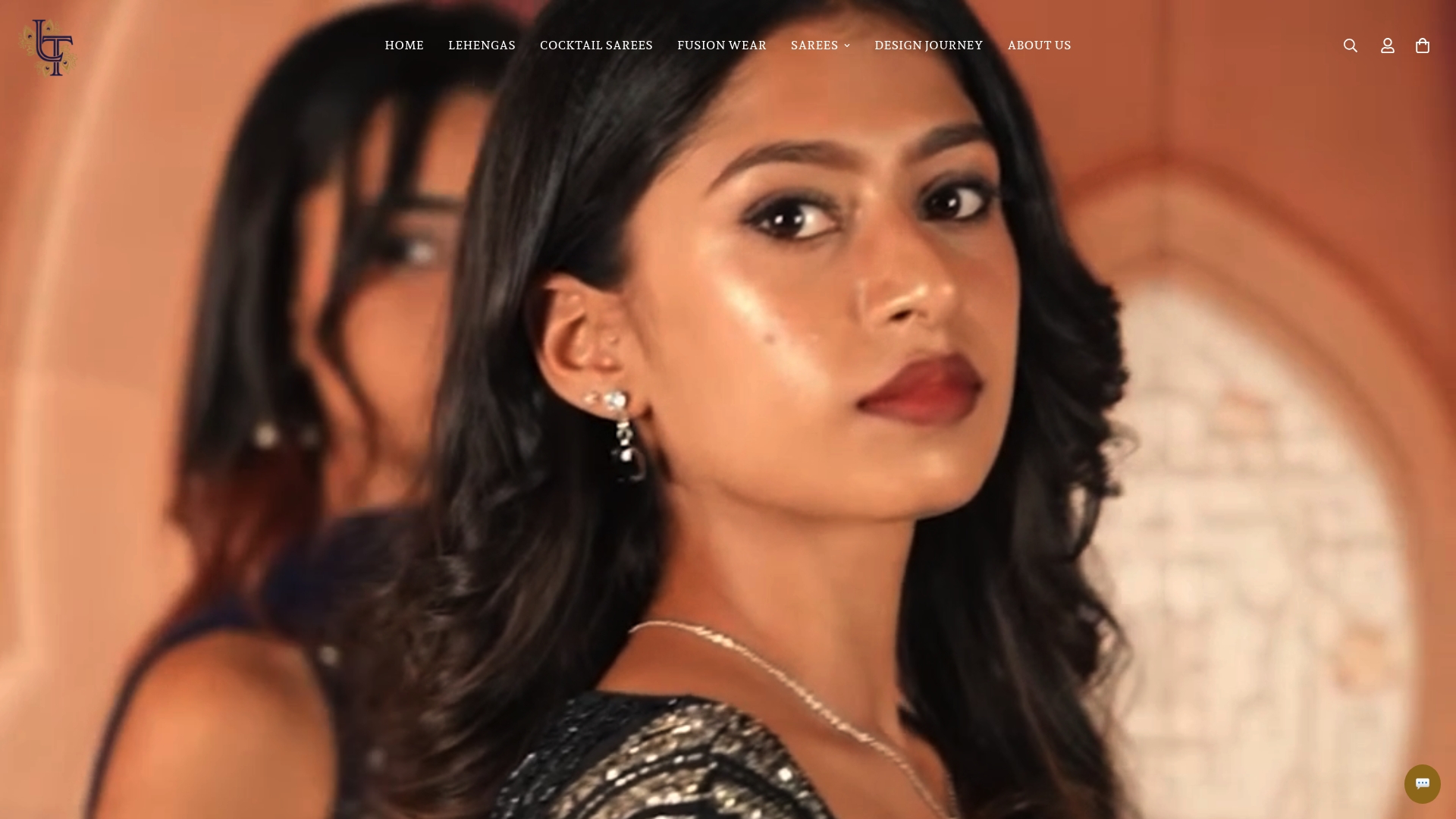
The collection covers the full range of haldi ceremony attire, from a classic ivory cotton silk saree with heritage motifs to a rani pink Banarasi semi-silk saree with multicolor paisley Zari work. Blouses come in stitched and unstitched options, so you can customize the fit. Whether you’re the bride choosing your first haldi look or a guest trying to get the color palette right, Loomsoftasmai’s curated selection gives you real options grounded in authentic Indian textile traditions.
Key Takeaways
Cotton, georgette, and linen are the best fabrics for haldi outfits because they breathe well outdoors and release turmeric stains more easily than silk or synthetics.
| Point | Details |
|---|---|
| Best fabric choices | Cotton, georgette, and linen handle turmeric stains and outdoor heat better than silk or synthetics. |
| Top outfit styles | Sarees, lehengas, sharara sets, and kurta palazzo combos all work well for different comfort levels. |
| Color options in 2026 | Yellow remains the classic, but mustard, mint, rani pink, ivory, and coral are all widely accepted. |
| Accessories | Floral jewelry in mogra, marigold, or rose fits the ritual and photographs better than heavy metal sets. |
| Where to shop in the US | Loomsoftasmai ships handcrafted ethnic sarees and lehengas to US customers with full size and fabric details. |


